Your Final Stop for ALL of Your Survey Needs! Contact us today for a free quote!
This site is intended to provide you with information on Land Surveying in the San Jose, CA and Santa Clara area of California. If you’re looking for a San Jose Land Surveyor, you’ve come to the right place. If you’d rather talk to someone about your land surveying needs, please call our local number at (669) 221-8684 today. For more information, please continue to read.
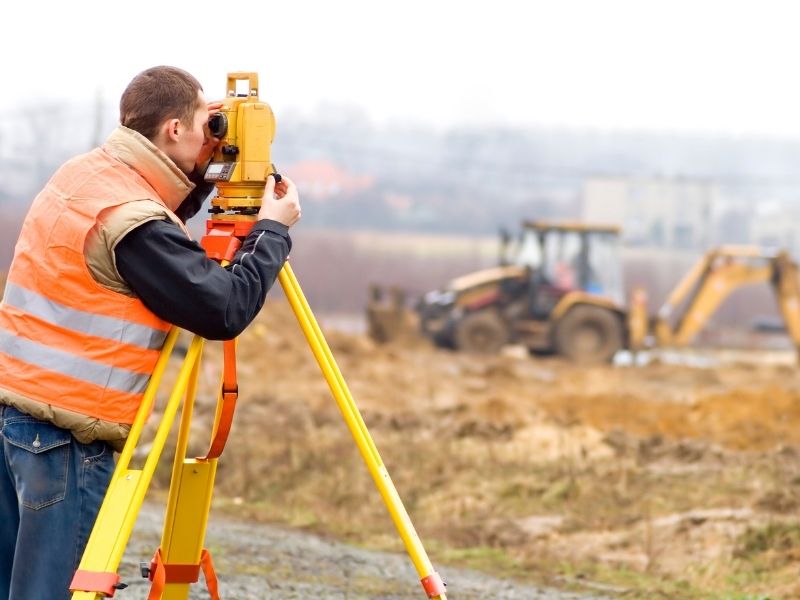
Land Surveyors are professionals who make precise measurements to determine the size and boundaries of a piece of real estate. While this is a simplistic definition, boundary surveying is one of the most common types of surveying related to home and land owners. If you fall into the following categories, please click on the appropriate link for more information on that subject:
San Jose Land Surveying services:
I need to know where my property corners or property lines are. (Boundary Survey)
I have a loan closing or re-finance coming up on my home in a subdivision. (Lot Survey)
I need a map of my property with contour lines to show elevation differences for my architect or engineer. (Topo Survey)
I’ve just been told I’m in a flood zone or I’ve been told I need an elevation certificate in order to obtain flood insurance or prove I don’t need it. (Flood Survey)
I’m purchasing a lot/house in a recorded subdivision. (Lot Survey – See Boundary Survey if you’re not in a subdivision.)
I’m purchasing a larger tract of land, acreage, that hasn’t been subdivided in the past. (Boundary Survey)
Contact San Jose Land Surveying services TODAY at (669) 221-8684.
Not every property stays the same forever. A lot that worked perfectly for one household twenty years ago might look like a different opportunity today. Maybe the kids are grown and the backyard feels oversized. Maybe the owner wants to sell part of the land. Maybe a neighboring lot just became available and combining them makes sense for a future project. Whatever the reason, changing how a residential parcel is configured is a bigger step than most owners expect, and a boundary survey is usually the first thing that needs to happen before anything else moves forward.
What Started as One Homesite Does Not Always Stay That Way
Older residential parcels were created to serve a specific purpose at a specific time. A family needed a house and a yard. The lot size made sense for that. But land needs shift. Families grow. Ownership goals change. Property values climb in ways nobody predicted when the original subdivision got recorded decades ago.
When those shifts happen, owners start looking at their land differently. A large backyard becomes a potential building site. A wide side yard starts to look like the beginning of a separate lot. A small neighboring parcel that came up for sale suddenly makes the owner’s property twice as useful if combined. None of those ideas can move forward cleanly without knowing exactly where the current boundaries sit. A boundary survey answers that question before anyone spends money on plans or permit applications that might not work with the actual lot dimensions.
Years of Informal Changes Can Make the Original Layout Hard to Recognize
A residential lot that’s been lived in for thirty or forty years rarely looks the way it did when it was first recorded. Fences went up along lines that felt right at the time but may not match the actual boundary. Gardens expanded into corners of the yard that nobody measured carefully. A detached garage got built near the back. A garden shed appeared sometime after that. Landscaping grew thick enough that the original edges of the property became hard to see.
All of those changes happened gradually, and most of them made sense when they occurred. But together they create a property that no longer resembles its original configuration. When an owner tries to split that lot or combine it with a neighboring parcel, the informal changes that accumulated over decades can create real complications. A boundary survey cuts through all of that and shows the property as it actually sits today, not as it looked on a plat drawn before any of those changes happened. That current picture is what planners, attorneys, and local officials need before a subdivision or lot adjustment can move forward.
Expanding a Parcel Means Looking Beyond the House Itself
When most homeowners think about their property, they think about the house. But expanding or reconfiguring a parcel involves the parts of the lot that don’t always get much attention. Side yards that seem narrow might actually contain more usable width than the owner realized. A back corner that’s been used as storage for years might sit outside the area a setback requirement affects. A strip of land along the fence line might belong to the owner or might belong to the neighbor, depending on where the actual boundary falls.
These details matter a lot when an owner is considering combining lots or adjusting a boundary line with a neighbor. A boundary survey identifies how the full parcel is laid out, including the edges and corners that don’t come up in everyday conversations about the property. That information gives owners, their attorneys, and any other parties involved a shared understanding of what’s actually there before anyone starts negotiating changes.
Neighboring Properties May Have Changed Just as Much Over the Years
An older residential parcel doesn’t exist by itself. The lots around it have their own histories. A neighbor who built a fence along what they assumed was the property line may have placed it a few feet off. A detached structure on the adjacent lot might sit closer to the shared boundary than either owner knows. Driveways, retaining walls, and landscaping features from neighboring properties can all affect how a parcel split or expansion works in practice.
Here’s why the condition of surrounding lots becomes important before a parcel change moves forward:
A fence placed off the actual boundary line can complicate where a new lot line gets drawn
Neighboring structures sitting close to the shared boundary affect setback calculations on both sides
Driveways or access paths that cross near the boundary may involve easements that weren’t obvious before a survey was done
Encroachments from either direction need to be identified before a lot adjustment gets recorded
Understanding how the surrounding properties fit together with the subject parcel is part of what a boundary survey makes possible, and that context often changes how an owner thinks about what’s realistic before committing to a plan.
A Boundary Survey Helps Prepare Properties for Their Next Chapter
Splitting a lot or combining parcels isn’t just a paperwork exercise. It’s a decision that shapes how a property gets used for years, sometimes decades, after the change is recorded. An owner who splits a lot to sell part of it is creating a new piece of real estate that will go through its own ownership history from that point forward. An owner who combines parcels is setting up a larger site that future buyers or developers will evaluate based on what it can support.
Getting a boundary survey done before those decisions are finalized gives the property a clean foundation to build on. The boundaries are confirmed. The current layout is documented. Any issues with neighboring lots or informal improvements are identified while there’s still time to address them. That preparation doesn’t just help with the immediate project. It puts the property in a better position for whatever comes next, whether that’s a sale, a development project, or simply passing the land on to the next generation with a clear record of what it includes.
Frequently Asked Questions
Why do owners request a boundary survey before dividing or expanding a residential parcel?
It gives them accurate information about the current lot configuration before any changes are planned, so decisions about splits or expansions are based on real measurements rather than assumptions.
Are older residential parcels different from newer subdivisions?
Yes. Long-established properties tend to have decades of informal changes and accumulated improvements that affect how the lot is configured today compared to how it was originally recorded.
Can neighboring properties affect a parcel split or expansion?
Yes. Fences, structures, and other features on adjacent lots can influence where new boundaries get drawn and what setback requirements apply on both sides.
Who commonly requests a boundary survey for older residential properties?
Homeowners, investors, builders, attorneys, and developers all use boundary surveys when planning future changes to existing lots.
Does a boundary survey only help with the current project?
No. The information it provides carries forward and supports future ownership transfers, development decisions, and property planning well beyond the immediate goal.
Construction projects move fast. Contractors often work with tight budgets, strict deadlines, and several crews on site at the same time.
As a result, when the pressure to start building grows, some important steps get pushed aside. One of the most common is the construction survey.
Many people think surveying only happens before construction begins. In reality, surveys are needed throughout the project. In fact, they help make sure buildings, utilities, and site improvements are built in the right place and at the correct elevation.
Because of this, skipping a survey may seem like a way to save time or money at first. However, it can lead to costly mistakes, drainage problems, permit delays, and even property disputes later on.
What Is a Construction Survey?
A construction survey is the process of transferring project plans onto a job site and checking that construction follows those plans.
Surveyors use specialized equipment to measure locations, distances, and elevations. Their work helps contractors build accurately from start to finish.
A construction survey may include:
Construction staking
Grade control surveys
Layout verification
Utility staking
As-built surveys
Final compliance documentation
Each step plays an important role in helping the project stay on track.
Construction Staking: Making Sure Everything Starts in the Right Place
Before excavation begins, surveyors place stakes, flags, and markers around the site. These markers show contractors exactly where buildings, roads, utilities, and other improvements should be built.
Construction staking helps identify:
Building corners
Foundation locations
Utility routes
Road alignments
Property boundaries
Site improvements
Construction crews use these markers every day.
Without proper staking, mistakes can happen. A building may end up too close to a property line, easement, or neighboring structure.
Fixing those mistakes can be expensive and may require:
Demolition and reconstruction
Design revisions
Additional permits
Extra labor
Schedule delays
Surveyors often return during construction because markers can be damaged, buried, or removed as work progresses.
Grade Control Surveys: Checking Site Elevations
Earthwork is one of the most important stages of a construction project. During this phase, surveyors establish elevation points that guide grading work.
Grade control helps contractors determine:
How much soil to remove
Where fill material is needed
Building pad elevations
Road grades
Drainage slopes
Utility depths
Small elevation mistakes may not seem serious at first. However, they can create major problems after construction is complete.
A building pad that is too high or too low can affect:
Drainage performance
Foundation stability
Accessibility requirements
Utility connections
Finished floor elevations
Many grading problems are not discovered until after a heavy rain. Water may begin collecting near buildings or flowing in the wrong direction.
Fixing the problem often requires regrading, concrete removal, or additional drainage work that was not included in the original budget.
As-Built Surveys: Recording What Was Actually Built
After construction is complete, surveyors perform an as-built survey to document the finished project.
The survey records the actual location, dimensions, and elevations of completed improvements and compares them to the approved plans.
An as-built survey may verify:
Building locations
Setbacks
Utility installations
Drainage features
Elevations
Site improvements
Many local governments require this documentation before final project approval.
Building departments often use as-built surveys to confirm that construction matches approved plans and meets local requirements.
Without the required survey documentation, projects can face delays during inspections and permit closeout.
What Happens When Construction Surveys Are Skipped?
Surveying may seem like a small expense, but the problems caused by skipping it can be much more costly.
Costly Rework
Rework happens when completed work must be corrected, rebuilt, or replaced.
Industry studies estimate that rework can account for 5% to 10% of a project’s total cost.
On a $2 million project, that could mean:
$100,000 in additional costs at 5%
$200,000 in additional costs at 10%
Surveying services usually cost far less than fixing a major construction error.
Drainage Problems
Poor elevation control often leads to drainage issues.
Common problems include:
Standing water
Flooding near foundations
Erosion
Water flowing toward buildings
Poor drainage in parking lots
Correcting these issues often requires additional grading and drainage work after construction is finished.
Delays in Occupancy
Even when construction is complete, missing survey documentation can delay final approvals.
Building departments often require proof that a project matches approved plans before issuing final approvals.
Without an as-built survey, contractors may face:
Inspection delays
Occupancy delays
Extended project closeout timelines
Additional carrying costs
For developers and property owners, every delay can affect revenue and project schedules.
Property Boundary Problems
Buildings that are not properly staked may cross property lines or extend into easements.
These issues can create problems during:
Property sales
Refinancing
Title reviews
Future development
Resolving a boundary dispute may require additional surveys, legal work, title corrections, and, in some cases, the removal of completed structures.
Why Surveys Are Sometimes Treated as Optional
Many people think surveys are only needed before construction begins.
In reality, survey verification should continue throughout the project. It helps ensure that grading, utilities, foundations, and site improvements remain aligned with approved plans.
Another reason surveys are overlooked is cost.
Survey costs appear as a clear line item in the budget. The cost of rework, drainage repairs, permit delays, and legal disputes often appears later.
Because of this, some contractors underestimate the value of ongoing survey work.
When Should Construction Surveys Be Scheduled?
Construction surveys should be scheduled throughout the project, not just before construction begins.
A typical schedule includes:
Project Phase
Survey Service
Preconstruction
Boundary verification and staking
Excavation
Construction staking
Earthwork
Grade control surveys
Utility Installation
Utility verification
Foundation Work
Layout verification
Project Completion
As-built survey
Permit Closeout
Final documentation
Scheduling surveys in advance helps prevent delays and costly corrections.
Survey Costs Versus Rework Costs
Some contractors see surveying as an extra expense.
In reality, it is one of the best ways to reduce risk and avoid expensive mistakes.
Surveying helps prevent:
Misplaced structures
Elevation errors
Utility conflicts
Drainage failures
Boundary disputes
Inspection delays
The cost of correcting one major mistake can easily exceed the cost of the surveys that could have prevented it.
For most projects, surveying is not simply a requirement. It is an investment that protects the project’s budget, schedule, and long-term success.
Frequently Asked Questions
What is included in a construction survey?
A construction survey may include staking, grade control, layout verification, utility verification, and as-built documentation. Each phase supports a different stage of construction and helps ensure work follows approved plans.
When should construction surveys be scheduled?
Construction staking should be completed before excavation begins. Grade control surveys take place during earthwork and grading. As-built surveys are usually completed after construction and before final approvals.
What happens if a construction survey is skipped?
Skipping a survey can lead to misplaced structures, drainage problems, permit delays, boundary disputes, and costly rework. Errors are usually much more expensive to fix once construction is underway.
Is an as-built survey required before occupancy?
Requirements vary by location, but many jurisdictions require an as-built survey before issuing final approvals or occupancy-related documentation.
How do construction surveys save money?
Construction surveys help identify problems before they become expensive repairs. They reduce rework, improve accuracy, and help keep projects on schedule.
Most property problems do not begin in court. They often start with a fence, driveway, or retaining wall built in the wrong place. By the time lawyers get involved, the problem is usually more expensive and stressful.
A boundary survey gives you a clear and legal record of where your property ends and your neighbor’s property begins. Having this information before a problem starts can save time, money, and frustration.
What Is a Boundary Survey?
A boundary survey is completed by a licensed land surveyor. The surveyor studies property records, finds existing markers in the ground, takes measurements, and creates a map showing the exact property lines.
Property lines are based on deeds and official records. They are not based on old fences, guesses, or what people have always believed.
If a disagreement ends up in court, a certified boundary survey is one of the strongest pieces of evidence you can have.
How a Boundary Survey Helps During a Dispute
Fence or Structure Problems
A fence that crosses the property line by a few feet may not seem like a big issue. But if it stays there long enough, it can become a legal problem.
In some cases, a neighbor may try to claim part of the land through adverse possession. This happens when someone openly uses another person’s land for many years and meets other legal requirements.
A boundary survey creates a record of the true property line. It also shows any encroachments so you can address the problem before it becomes worse.
During Mediation
Many property disputes are settled before they reach court.
A certified survey helps both sides focus on the facts instead of arguing over opinions. The survey becomes the starting point for discussions.
If the dispute cannot be settled, the survey can still be used in court.
When Surveys Do Not Match
Sometimes older properties have different surveys that show different boundary lines.
When this happens, a surveyor may perform a boundary retracement. This involves reviewing deeds, plats, and old markers to determine where the original property line was meant to be.
Courts often give strong weight to this type of work.
What Does a Boundary Survey Show?
A boundary survey provides more than just a line on a map. It can show:
Property corners and monuments found or set during the survey
Fences, driveways, or structures that cross the property line
Easements that affect the property
Gaps or overlaps between neighboring properties
How the surveyor resolved conflicting records
This information becomes part of the official record and may be useful later if a dispute arises.
When Should You Get a Boundary Survey?
You should consider a boundary survey if:
A neighbor plans to build a fence, wall, or other structure near the property line
You plan to build something close to the edge of your property
A neighbor claims part of your land
You receive a letter from an attorney about a property issue
The property you are buying has not been surveyed in more than ten years
Getting a survey early is usually easier and less expensive than dealing with a dispute later.
What If the Problem Has Already Started?
Even if a neighbor has already built something across the property line, a boundary survey can still help.
It can support:
A written request asking the neighbor to remove the encroachment
A complaint filed with the county
A quiet title action in court
Without a current survey, these steps are much harder.
Neighbors may also choose to sign a boundary line agreement. Once recorded with the county, the agreement becomes legally binding.
Frequently Asked Questions
Can a boundary survey be used in court?
Yes. A certified boundary survey completed by a licensed land surveyor can be used as evidence in property disputes and quiet title cases.
What if my survey and my neighbor’s survey do not match?
This happens more often than people think, especially with older properties. A surveyor can perform a boundary retracement to determine the best evidence. If the parties still disagree, a judge may decide the matter.
How long does an encroachment have to exist before it becomes a problem?
The rules vary by state. In some places, long-term use of land may lead to an adverse possession claim. Acting quickly is important.
Does a boundary survey stop adverse possession?
Not by itself. However, the survey gives you proof of the problem and helps you take action before the required time period passes.
What is a quiet title action?
A quiet title action is a court case used to settle ownership disputes. A boundary survey is often an important part of the evidence used in the case.

 Land Surveyors are professionals who make precise measurements to determine the size and boundaries of a piece of real estate. While this is a simplistic definition, boundary surveying is one of the most common types of surveying related to home and land owners. If you fall into the following categories, please click on the appropriate link for more information on that subject: