
Construction Surveys: The Step Many Contractors Skip That Causes Costly Delays
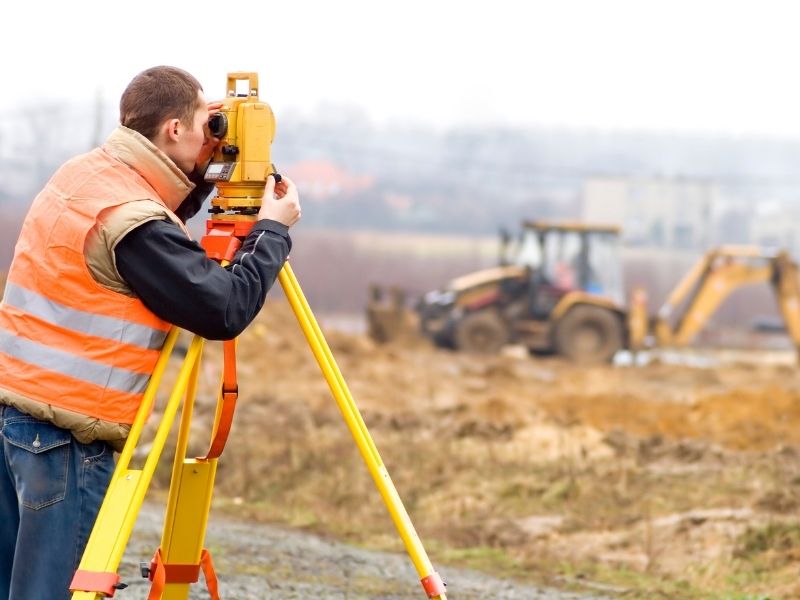
Construction projects move fast. Contractors often work with tight budgets, strict deadlines, and several crews on site at the same time.
As a result, when the pressure to start building grows, some important steps get pushed aside. One of the most common is the construction survey.
Many people think surveying only happens before construction begins. In reality, surveys are needed throughout the project. In fact, they help make sure buildings, utilities, and site improvements are built in the right place and at the correct elevation.
Because of this, skipping a survey may seem like a way to save time or money at first. However, it can lead to costly mistakes, drainage problems, permit delays, and even property disputes later on.
What Is a Construction Survey?
A construction survey is the process of transferring project plans onto a job site and checking that construction follows those plans.
Surveyors use specialized equipment to measure locations, distances, and elevations. Their work helps contractors build accurately from start to finish.
A construction survey may include:
- Construction staking
- Grade control surveys
- Layout verification
- Utility staking
- As-built surveys
- Final compliance documentation
Each step plays an important role in helping the project stay on track.
Construction Staking: Making Sure Everything Starts in the Right Place
Before excavation begins, surveyors place stakes, flags, and markers around the site. These markers show contractors exactly where buildings, roads, utilities, and other improvements should be built.
Construction staking helps identify:
- Building corners
- Foundation locations
- Utility routes
- Road alignments
- Property boundaries
- Site improvements
Construction crews use these markers every day.
Without proper staking, mistakes can happen. A building may end up too close to a property line, easement, or neighboring structure.
Fixing those mistakes can be expensive and may require:
- Demolition and reconstruction
- Design revisions
- Additional permits
- Extra labor
- Schedule delays
Surveyors often return during construction because markers can be damaged, buried, or removed as work progresses.
Grade Control Surveys: Checking Site Elevations
Earthwork is one of the most important stages of a construction project. During this phase, surveyors establish elevation points that guide grading work.
Grade control helps contractors determine:
- How much soil to remove
- Where fill material is needed
- Building pad elevations
- Road grades
- Drainage slopes
- Utility depths
Small elevation mistakes may not seem serious at first. However, they can create major problems after construction is complete.
A building pad that is too high or too low can affect:
- Drainage performance
- Foundation stability
- Accessibility requirements
- Utility connections
- Finished floor elevations
Many grading problems are not discovered until after a heavy rain. Water may begin collecting near buildings or flowing in the wrong direction.
Fixing the problem often requires regrading, concrete removal, or additional drainage work that was not included in the original budget.
As-Built Surveys: Recording What Was Actually Built
After construction is complete, surveyors perform an as-built survey to document the finished project.
The survey records the actual location, dimensions, and elevations of completed improvements and compares them to the approved plans.
An as-built survey may verify:
- Building locations
- Setbacks
- Utility installations
- Drainage features
- Elevations
- Site improvements
Many local governments require this documentation before final project approval.
Building departments often use as-built surveys to confirm that construction matches approved plans and meets local requirements.
Without the required survey documentation, projects can face delays during inspections and permit closeout.
What Happens When Construction Surveys Are Skipped?
Surveying may seem like a small expense, but the problems caused by skipping it can be much more costly.
Costly Rework
Rework happens when completed work must be corrected, rebuilt, or replaced.
Industry studies estimate that rework can account for 5% to 10% of a project’s total cost.
On a $2 million project, that could mean:
- $100,000 in additional costs at 5%
- $200,000 in additional costs at 10%
Surveying services usually cost far less than fixing a major construction error.
Drainage Problems
Poor elevation control often leads to drainage issues.
Common problems include:
- Standing water
- Flooding near foundations
- Erosion
- Water flowing toward buildings
- Poor drainage in parking lots
Correcting these issues often requires additional grading and drainage work after construction is finished.
Delays in Occupancy
Even when construction is complete, missing survey documentation can delay final approvals.
Building departments often require proof that a project matches approved plans before issuing final approvals.
Without an as-built survey, contractors may face:
- Inspection delays
- Occupancy delays
- Extended project closeout timelines
- Additional carrying costs
For developers and property owners, every delay can affect revenue and project schedules.
Property Boundary Problems
Buildings that are not properly staked may cross property lines or extend into easements.
These issues can create problems during:
- Property sales
- Refinancing
- Title reviews
- Future development
Resolving a boundary dispute may require additional surveys, legal work, title corrections, and, in some cases, the removal of completed structures.
Why Surveys Are Sometimes Treated as Optional
Many people think surveys are only needed before construction begins.
In reality, survey verification should continue throughout the project. It helps ensure that grading, utilities, foundations, and site improvements remain aligned with approved plans.
Another reason surveys are overlooked is cost.
Survey costs appear as a clear line item in the budget. The cost of rework, drainage repairs, permit delays, and legal disputes often appears later.
Because of this, some contractors underestimate the value of ongoing survey work.
When Should Construction Surveys Be Scheduled?
Construction surveys should be scheduled throughout the project, not just before construction begins.
A typical schedule includes:
| Project Phase | Survey Service |
| Preconstruction | Boundary verification and staking |
| Excavation | Construction staking |
| Earthwork | Grade control surveys |
| Utility Installation | Utility verification |
| Foundation Work | Layout verification |
| Project Completion | As-built survey |
| Permit Closeout | Final documentation |
Scheduling surveys in advance helps prevent delays and costly corrections.
Survey Costs Versus Rework Costs
Some contractors see surveying as an extra expense.
In reality, it is one of the best ways to reduce risk and avoid expensive mistakes.
Surveying helps prevent:
- Misplaced structures
- Elevation errors
- Utility conflicts
- Drainage failures
- Boundary disputes
- Inspection delays
The cost of correcting one major mistake can easily exceed the cost of the surveys that could have prevented it.
For most projects, surveying is not simply a requirement. It is an investment that protects the project’s budget, schedule, and long-term success.
Frequently Asked Questions
What is included in a construction survey?
A construction survey may include staking, grade control, layout verification, utility verification, and as-built documentation. Each phase supports a different stage of construction and helps ensure work follows approved plans.
When should construction surveys be scheduled?
Construction staking should be completed before excavation begins. Grade control surveys take place during earthwork and grading. As-built surveys are usually completed after construction and before final approvals.
What happens if a construction survey is skipped?
Skipping a survey can lead to misplaced structures, drainage problems, permit delays, boundary disputes, and costly rework. Errors are usually much more expensive to fix once construction is underway.
Is an as-built survey required before occupancy?
Requirements vary by location, but many jurisdictions require an as-built survey before issuing final approvals or occupancy-related documentation.
How do construction surveys save money?
Construction surveys help identify problems before they become expensive repairs. They reduce rework, improve accuracy, and help keep projects on schedule.