↓
 

San Jose Land Surveying

Local Land Surveyors in San Jose, CA

San Jose Land Surveying
(669) 221-8684
San Jose Land Surveying
  • Home
  • ALTA Survey
  • Boundary Surveying
  • Construction Survey
  • Drone LiDAR Mapping
  • Elevation Certificate
  • Land Surveying
  • Topographic Survey
  • Blog
  • Contact Us
Home 1 2 3 … 6 7 >>

Post navigation

← Older posts

Welcome to San Jose Land Surveying

San Jose Land Surveying Posted on August 18, 2017 by San JoseSurveyorMarch 24, 2020

Your Final Stop for ALL of Your Survey Needs!                                         Contact us today for a free quote!

This site is intended to provide you with information on Land Surveying in the San Jose, CA and Santa Clara area of California. If you’re looking for a San Jose Land Surveyor, you’ve come to the right place. If you’d rather talk to someone about your land surveying needs, please call our local number at (669) 221-8684 today. For more information, please continue to read.
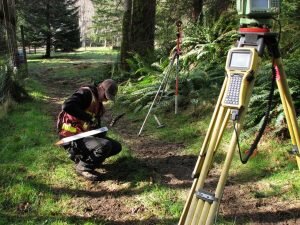
land surveyingLand Surveyors are professionals who make precise measurements to determine the size and boundaries of a piece of real estate.  While this is a simplistic definition, boundary surveying is one of the most common types of surveying related to home and land owners. If you fall into the following categories, please click on the appropriate link for more information on that subject:

San Jose Land Surveying services:

    1. I need to know where my property corners or property lines are. (Boundary Survey)
    2. I have a loan closing or re-finance coming up on my home in a subdivision. (Lot Survey)
    3. I need a map of my property with contour lines to show elevation differences for my architect or engineer. (Topo Survey)
    4. I’ve just been told I’m in a flood zone or I’ve been told I need an elevation certificate in order to obtain flood insurance or prove I don’t need it. (Flood Survey)
    5. I’m purchasing a lot/house in a recorded subdivision. (Lot Survey – See Boundary Survey if you’re not in a subdivision.)
    6. I’m purchasing a larger tract of land, acreage, that hasn’t been subdivided in the past. (Boundary Survey)

Contact San Jose Land Surveying services TODAY at (669) 221-8684.

Posted in boundary surveying, elevation certificate, land surveying, land surveyor | Tagged boundary survey, land surveyor, land surveyor san-Jose ca, San Jose Land Surveying

When a Boundary Survey Can Legally Protect You From a Neighbor Dispute

San Jose Land Surveying Posted on June 10, 2026 by San JoseSurveyorJune 5, 2026
Land surveyor conducting a boundary survey and recording field measurements to verify property lines

Most property problems do not begin in court. They often start with a fence, driveway, or retaining wall built in the wrong place. By the time lawyers get involved, the problem is usually more expensive and stressful.

A boundary survey gives you a clear and legal record of where your property ends and your neighbor’s property begins. Having this information before a problem starts can save time, money, and frustration.

What Is a Boundary Survey?

A boundary survey is completed by a licensed land surveyor. The surveyor studies property records, finds existing markers in the ground, takes measurements, and creates a map showing the exact property lines.

Property lines are based on deeds and official records. They are not based on old fences, guesses, or what people have always believed.

If a disagreement ends up in court, a certified boundary survey is one of the strongest pieces of evidence you can have.

How a Boundary Survey Helps During a Dispute

Fence or Structure Problems

A fence that crosses the property line by a few feet may not seem like a big issue. But if it stays there long enough, it can become a legal problem.

In some cases, a neighbor may try to claim part of the land through adverse possession. This happens when someone openly uses another person’s land for many years and meets other legal requirements.

A boundary survey creates a record of the true property line. It also shows any encroachments so you can address the problem before it becomes worse.

During Mediation

Many property disputes are settled before they reach court.

A certified survey helps both sides focus on the facts instead of arguing over opinions. The survey becomes the starting point for discussions.

If the dispute cannot be settled, the survey can still be used in court.

When Surveys Do Not Match

Sometimes older properties have different surveys that show different boundary lines.

When this happens, a surveyor may perform a boundary retracement. This involves reviewing deeds, plats, and old markers to determine where the original property line was meant to be.

Courts often give strong weight to this type of work.

What Does a Boundary Survey Show?

A boundary survey provides more than just a line on a map. It can show:

  • Property corners and monuments found or set during the survey
  • Fences, driveways, or structures that cross the property line
  • Easements that affect the property
  • Gaps or overlaps between neighboring properties
  • How the surveyor resolved conflicting records

This information becomes part of the official record and may be useful later if a dispute arises.

When Should You Get a Boundary Survey?

You should consider a boundary survey if:

  • A neighbor plans to build a fence, wall, or other structure near the property line
  • You plan to build something close to the edge of your property
  • A neighbor claims part of your land
  • You receive a letter from an attorney about a property issue
  • The property you are buying has not been surveyed in more than ten years

Getting a survey early is usually easier and less expensive than dealing with a dispute later.

What If the Problem Has Already Started?

Even if a neighbor has already built something across the property line, a boundary survey can still help.

It can support:

  • A written request asking the neighbor to remove the encroachment
  • A complaint filed with the county
  • A quiet title action in court

Without a current survey, these steps are much harder.

Neighbors may also choose to sign a boundary line agreement. Once recorded with the county, the agreement becomes legally binding.

Frequently Asked Questions

Can a boundary survey be used in court?

Yes. A certified boundary survey completed by a licensed land surveyor can be used as evidence in property disputes and quiet title cases.

What if my survey and my neighbor’s survey do not match?

This happens more often than people think, especially with older properties. A surveyor can perform a boundary retracement to determine the best evidence. If the parties still disagree, a judge may decide the matter.

How long does an encroachment have to exist before it becomes a problem?

The rules vary by state. In some places, long-term use of land may lead to an adverse possession claim. Acting quickly is important.

Does a boundary survey stop adverse possession?

Not by itself. However, the survey gives you proof of the problem and helps you take action before the required time period passes.

What is a quiet title action?

A quiet title action is a court case used to settle ownership disputes. A boundary survey is often an important part of the evidence used in the case.

Posted in boundary surveying | Tagged boundary survey, boundary surveying, fence survey

How a Topographic Survey Guides Construction Before Work Begins

San Jose Land Surveying Posted on June 8, 2026 by San JoseSurveyorJune 5, 2026
Land surveyor conducting a topographic survey to measure site elevations before construction begins

A topographic survey creates a map of the land. It shows slopes, elevation changes, drainage paths, and important features on the property. Builders, engineers, and architects use this information before construction starts.

Without a topographic survey, many decisions are based on guesses. That can lead to expensive mistakes later.

What Does a Topographic Survey Measure?

A topographic survey shows the shape and features of a site. It includes both natural and man-made features.

It can show:

  • Elevation and ground heights across the property
  • Contour lines that show how steep the land is
  • Areas where water flows or collects
  • Existing buildings, fences, and retaining walls
  • Utility lines and underground services
  • Trees and other features that may affect construction

Surveyors use GPS equipment, total stations, and sometimes drones to collect this information.

How Topographic Surveys Help Before Construction

Drainage Planning

A topographic survey helps engineers understand where water moves across a property.

This information helps them design:

  • Swales
  • Culverts
  • Retention ponds
  • Proper floor elevations

Good drainage planning helps prevent flooding, erosion, and foundation damage.

Grading and Earthwork

Topographic data helps engineers calculate how much soil needs to be moved.

They can determine:

  • Where soil should be removed
  • Where fill dirt is needed
  • How much earthwork will cost

Accurate information helps avoid surprises during construction.

Slope Stability

Steep slopes can create problems for buildings.

Topographic surveys help engineers identify areas that may need:

  • Retaining walls
  • Special foundations
  • Additional soil support

Finding these issues early can save money and prevent delays.

Utility Routing

Water, sewer, gas, and electrical lines must be carefully planned.

Topo data helps engineers avoid conflicts with existing utilities and choose the best routes for new lines.

Topographic Surveys and Permits

Many cities require topographic information before approving construction plans.

Topo data is often needed for:

  • Grading permits
  • Drainage studies
  • Flood zone reviews
  • Environmental studies

Missing or incorrect information can delay permit approval.

Frequently Asked Questions

What is a topographic survey?

A topographic survey maps the shape and features of a property. It shows elevation, slopes, drainage patterns, structures, and other important details.

When should I order a topographic survey?

It is best to order one before design work begins. Early survey data helps avoid costly changes later.

Who uses topographic survey data?

Architects, engineers, contractors, and developers all use topographic survey data during planning and design.

How accurate is a topographic survey?

Most construction projects require very precise measurements to support design and permit requirements.

Can satellite images replace a topographic survey?

No. Satellite images do not provide the level of accuracy needed for engineering and construction projects.

How much does a topographic survey cost?

Costs vary depending on the size and complexity of the site. Larger or more detailed projects usually cost more.

What happens if a project skips a topographic survey?

Skipping a survey can lead to drainage problems, grading mistakes, utility conflicts, and expensive rework during construction.

Posted in Topographic Survey | Tagged Topographic Survey

What an ALTA Survey Reveals That Standard Property Surveys Often Miss

San Jose Land Surveying Posted on June 5, 2026 by San JoseSurveyorJune 5, 2026
Licensed surveyors conducting field measurements and reviewing plans during an ALTA survey for a commercial property to document boundaries and site improvements

Most people buying property assume that one survey is much the same as another. You hire someone, they measure the lot, they give you a map. Job done.

That thinking can be expensive.

An ALTA survey works differently. It follows a national standard set by the American Land Title Association and the National Society of Professional Surveyors. Every licensed surveyor completing one must meet the same requirements, no matter the state. In February 2026, those requirements were updated under the new ALTA/NSPS Minimum Standard Detail Requirements, the first revision since 2021. A standard boundary survey does not operate at that level of detail or accountability.

What Is an ALTA Survey?

A standard property survey, often called a boundary survey, tells you where your property lines are. It locates corners, notes dimensions, and flags whether any fence or structure crosses those lines. For a basic residential purchase, that is often enough.

An ALTA survey covers all of that and goes further. It cross-references the title commitment, which is the legal document listing everything on record against the property: easements, rights-of-way, restrictions, and encumbrances. The surveyor must physically locate those items on the land and show them on the final certified map. A standard survey carries no such requirement. That difference matters significantly in any commercial transaction.

What an ALTA Survey Catches That Others Do Not

An ALTA survey documents several categories of information that a standard boundary survey is not required to address:

  • Recorded easements and their physical location on the property
  • Encroachments from neighboring structures or improvements
  • Zoning classifications and building setback violations
  • Parking space counts and driveway access conditions
  • Visible evidence of unauthorized use or adverse possession

What Easements Does an ALTA Survey Reveal?

An easement gives another party the legal right to use part of your land. Utility companies, neighboring owners, and local governments can all hold them. Many were recorded decades ago and sit buried in title documents that most buyers never read carefully.

A standard survey will not show you where those easements sit on the ground. An ALTA survey will. A utility easement running through the middle of a parcel you plan to build on is a serious problem. Under the 2026 ALTA/NSPS update, surveyors are also required to notify the title insurer if they find a recorded easement that was not listed in the title commitment. That protection was not part of earlier standards.

How Does an ALTA Survey Identify Encroachments?

An encroachment happens when something from a neighboring property crosses onto yours, or when something on yours extends into theirs. That could be a building overhang, a retaining wall, a driveway, or an underground structure.

Standard surveys may catch these, but are not required to. An ALTA survey is. A 2026 report from Pratt & Associates noted that property disputes in one Santa Clara County HOA rose by 40 percent in 2024, with many cases traced to undetected boundary and easement issues. An ALTA survey surfaces those problems before a deal closes, not after.

Can an ALTA Survey Catch Zoning Violations?

Yes. ALTA surveys can include zoning classifications and building setback lines as optional Table A items. Setbacks define how close a structure can legally sit to a property line. If a building on the property already violates those requirements, that violation becomes the buyer’s responsibility after closing. In Santa Clara County, where the Department of Planning and Development tracks zoning designations across all parcels, setback violations are not always visible during a site visit.

Does an ALTA Survey Document Parking and Access?

For commercial properties, the survey can document the number of parking spaces and confirm whether access driveways meet local requirements. On retail sites or any property where parking ratios affect financing, this detail carries real weight in the approval process.

What Evidence of Adverse Use Does an ALTA Survey Flag?

An ALTA survey requires the surveyor to note any visible signs of unauthorized activity on the property, such as storage, unpermitted access, or occupation by others. Left undetected, these situations can develop into adverse possession claims after closing. A standard survey does not ask for this information.

Why Lenders and Title Companies Require It

Commercial lenders and title insurers require an ALTA survey because it is the only survey type that ties physical field observations directly to recorded title documents.

When commercial real estate deals run into trouble, the cause often traces back to something already present on the property. An easement that blocked a planned expansion. An encroachment that voided the title insurance. A setback violation that stopped a permit.

In Santa Clara County, where the median property sale price sits at $1,462,000 and commercial transactions regularly reach into the millions, skipping this survey carries real financial risk. The cost of an ALTA survey is a small fraction of what a single undiscovered easement dispute can generate in legal fees.

What It Costs and How Long It Takes

In the Bay Area, an ALTA survey typically costs between $2,000 and $10,000, depending on property size, complexity, and which Table A items are included.

Typical cost ranges:

  • Standard commercial parcels: $2,000 to $5,500
  • Large or complex sites: $5,500 and above

Typical timeline:

  • Most properties: two to four weeks from contract to delivery
  • Sites with extensive public records research: potentially longer

The process takes longer than a standard survey because the surveyor must review the title commitment, research records at the Santa Clara County Recorder’s Office, complete field measurements, and produce a map that meets national standards.

What to Ask a Surveyor Before Starting an ALTA Survey

Before ordering an ALTA survey, confirm that the surveyor holds a current California license and works to the 2026 ALTA/NSPS Minimum Standard Detail Requirements, which took effect on February 23, 2026. If they cannot answer that clearly, look elsewhere.

A qualified surveyor will also ask for the title commitment before field work begins. That document tells them which recorded easements and encumbrances to locate on the property. If your surveyor does not ask for it, the job is not being done correctly.

Frequently Asked Questions

What does an ALTA survey include that a boundary survey does not?

 An ALTA survey includes everything a boundary survey covers, plus a cross-reference of the title commitment, physical location of all recorded easements and encumbrances, documentation of encroachments, and optional items such as zoning setback lines, parking space counts, and utility locations. A boundary survey is not required to address any of those elements.

Is an ALTA survey required in California?

 California state law does not mandate it, but most commercial lenders and title insurers require one before approving financing or issuing title insurance on a commercial property. It is effectively a standard requirement for commercial real estate transactions in the state.

Who orders the ALTA survey in a real estate transaction? 

The buyer or their lender typically orders the survey. In some transactions, the lender will specify which surveyor to use or require that the surveyor hold a current California license. The surveyor is engaged to serve the buyer’s and lender’s due diligence process.

How current does an ALTA survey need to be? 

Most lenders require that the survey be current at the time of closing. If a transaction takes several months, lenders may ask for an updated survey or a recertification. Check with the lender and title company early to confirm their specific requirements.

What are ALTA Table A items and do you need them?

 Table A items are optional additions a client can request as part of an ALTA survey. Common selections include topographic data, underground utility locations, zoning setback lines, and parking space counts. Which items you need depends on how the property will be used and what the lender or title company requires.

Posted in alta survey | Tagged alta survey

Post navigation

← Older posts
Get Quote Button
© San Jose Land Surveying
San Jose, California
Phone: (669) 221-8684

Web Development and SEO by:
N2Biz.co


Privacy Policy | Terms of Use

The owner of this website, USA Surveying & Engineering, LLC., provides coordination of professional land surveying and engineering services in all 50 states. The professional surveying and engineering services provided to you will be conducted by fully licensed professionals in your state.

↑